"Step into the Game"
The rendering used for the Oculus Rift Kickstarter campaign
It was the tagline for the Oculus Rift's Kickstarter campaign: "Step into the Game", giving the backers the promise of consumer-available virtual reality in the form of a head-mounted display with integrated tracking to a high level of precision, low latency and a high refresh rate.
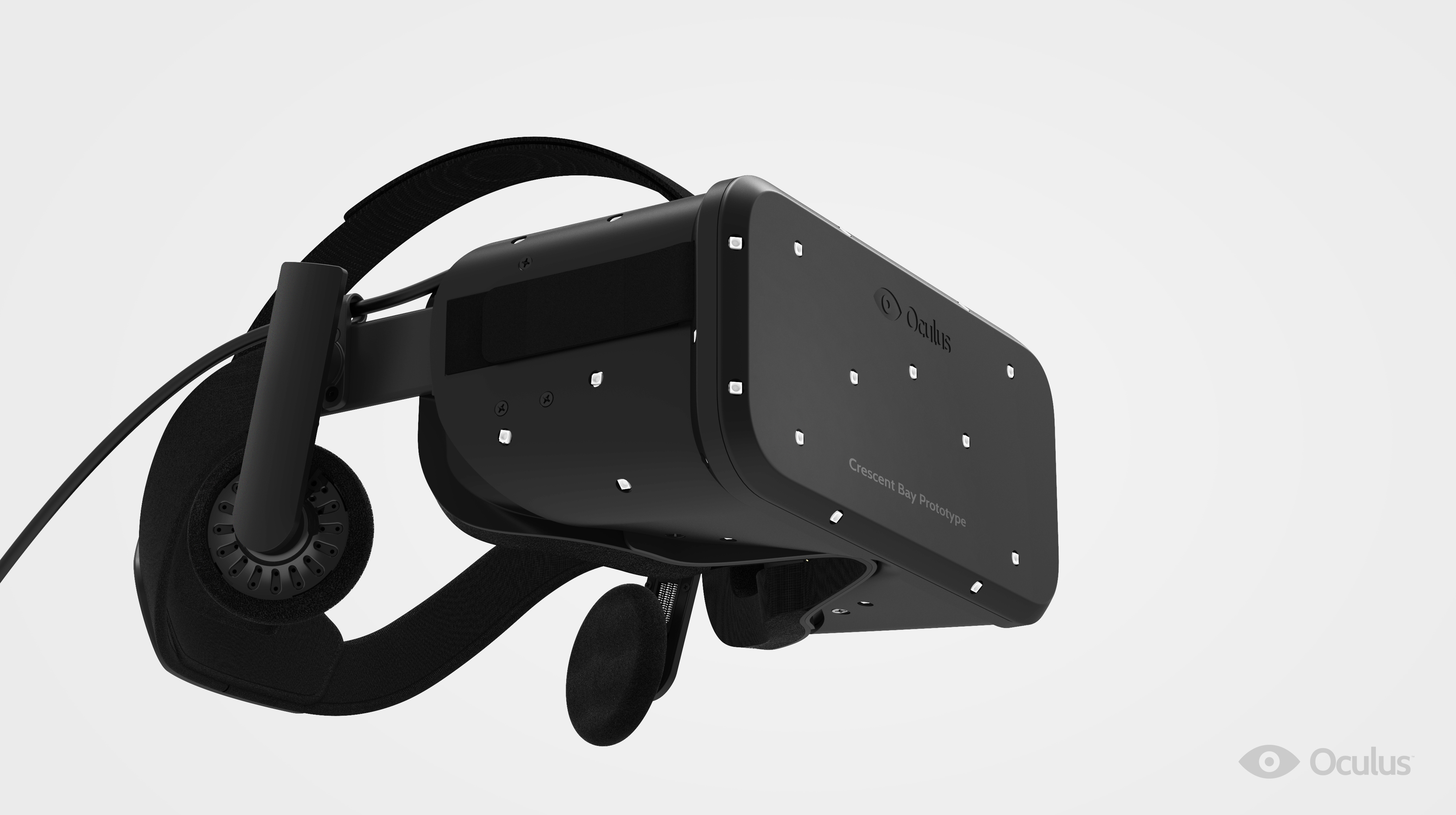
From the Kickstarter's original development kit (the "DK1") shipped in 2012/2013 through to the unveiling of the Crystal Cove prototype at CES in January 2014 and the announcement of the second development kit (the "DK2") at GDC in March 2014, to the debut of the Crescent Bay prototypes at the company's inaugural Oculus Connect developer conference in September 2014, the Oculus Rift has progressed through numerous stages of development over the past 4 years of its public life. And, finally, after nearly 4 years since the Kickstarter campaign in August 2012, Oculus announced earlier this month that "the [Oculus] Rift" (better-known in enthusiast circles as the "CV1") would have its consumer launch in Q1 2016.
Oculus Rift [Development Kit 1] from 2012/2013
[hiddenbox]
[/hiddenbox]Oculus Rift [Development Kit 2] from March 2014[hiddenbox]
[/hiddenbox]Oculus Rift [Crescent Bay] from September 2014[hiddenbox]
[/hiddenbox]Oculus Rift [Consumer version] rendering from May 2015
[hiddenbox]
[/hiddenbox]Throughout the Rift's development, several other companies had expressed interest in the now-recognized and newly-emerging VR market. One of the notable of these companies was Valve Corporation, which was responsible for introducing low persistence (a low-latency solution for displays) to the "Kickstarter-era" Oculus VR company, which it would come to utilize in 2014's DK2. Valve had given both technical and public support to Oculus through to its development of the DK2, until the acquisition of Oculus VR by Mark Zuckerberg's Facebook, where-in the two companies' relationship seemed to break apart, leaving Valve seemingly out of the VR loop (aside from its famous "QR code room" from Steam Dev Days in January 2014).
Valve's "QR code room" from Steam Dev Days[hiddenbox]
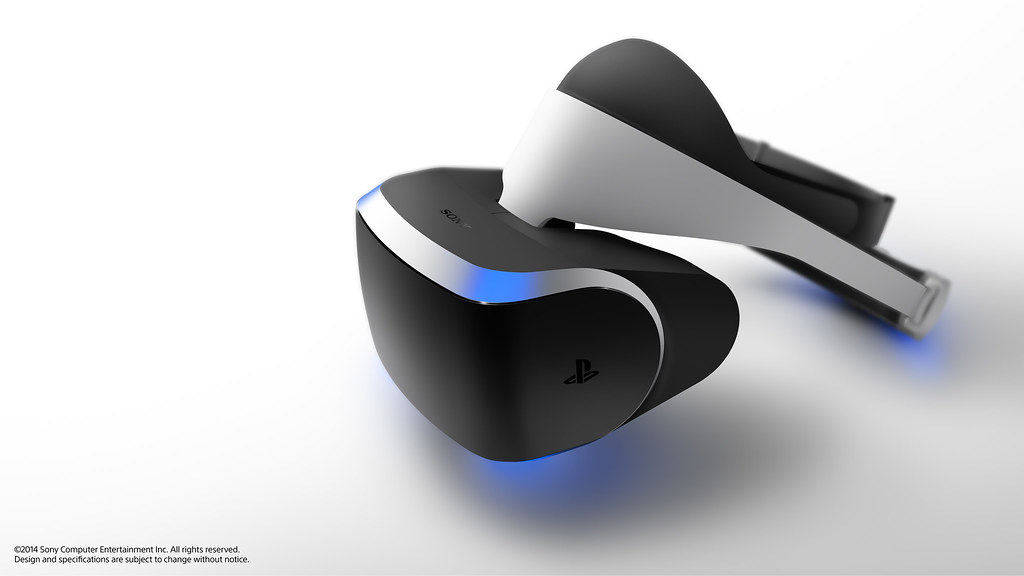
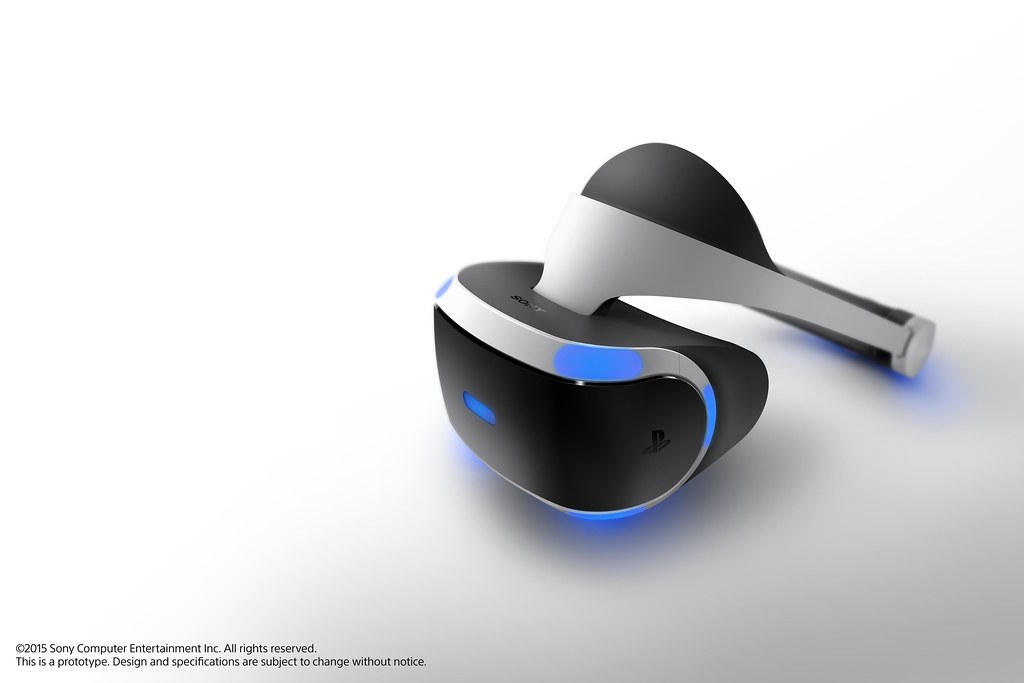
[/hiddenbox]The second of these notable companies was the undisputed leader in the video game console market: Sony Computer Entertainment, the manufacturer of the PlayStation 4. At GDC 2014, Sony announced "Project Morpheus", a virtual reality head-mounted display to-be used with PlayStation 4. Outfitted with a 5" 1080p LCD display, the Morpheus HMD suffered from the motion blur experienced with the Oculus Rift's DK1 (the original development kit, outfitted with a 7" 720p LCD display). Sony would publicly demo Project Morpheus throughout the year. When a year had passed, at GDC 2015 Sony unveiled a brand new prototype for Project Morpheus, outfitted with an OLED display similar to the DK2 of 2014, with improved positional tracking and 3D audio. Sony also came out with a launch period for Project Morpheus' consumer version: stating Project Morpheus would have its consumer launch "by Q2 2016".
Project Morpheus [2014 ver.][hiddenbox]
[/hiddenbox]Project Morpheus [2015 ver.][hiddenbox]
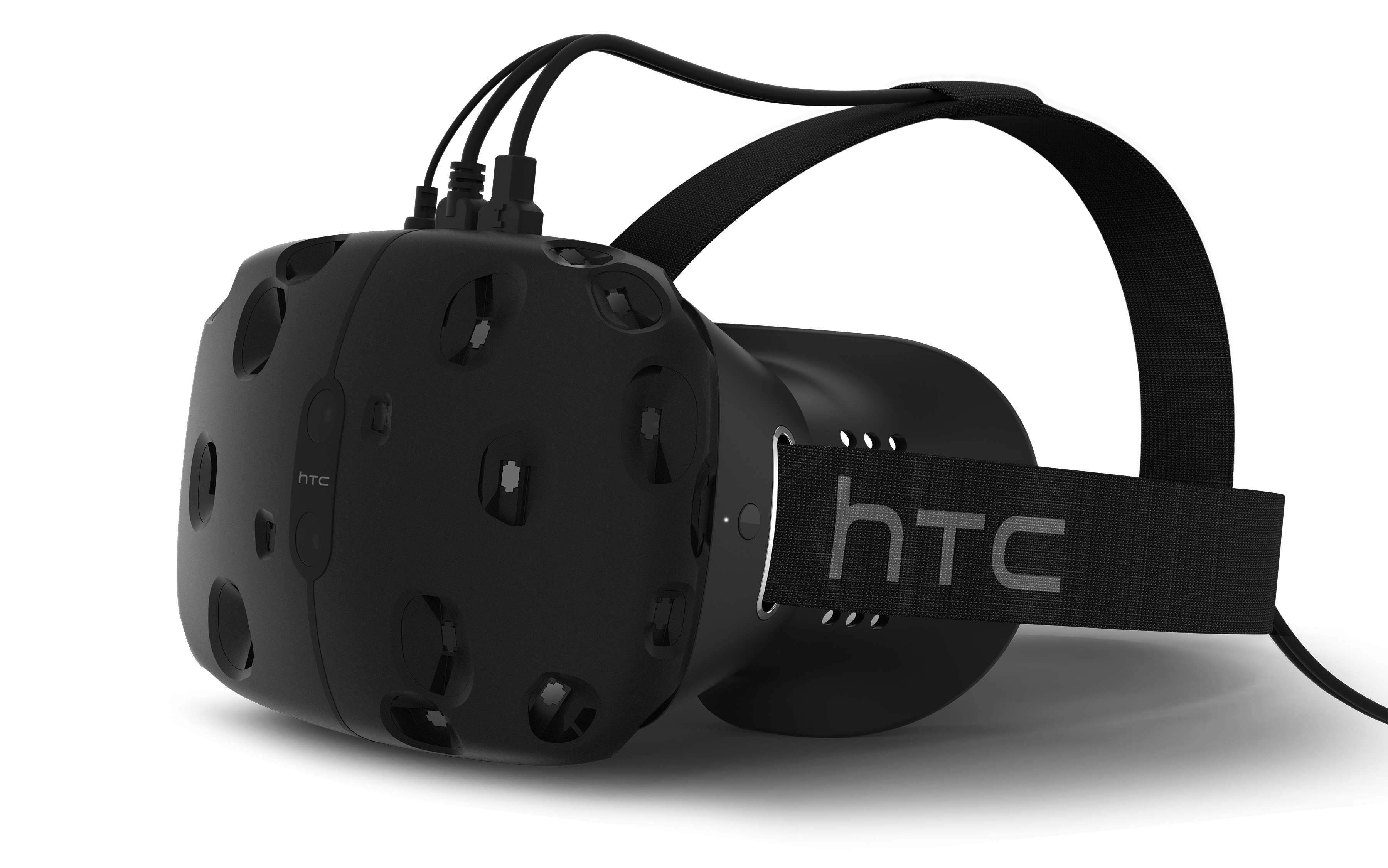
[/hiddenbox]Valve, though its relationship with Oculus was broken after the Facebook acquisition, began co-operating with smartphone manufacturer HTC in mid-2014 (after GDC 2014). HTC itself had been, reportedly, conducting its own R&D into virtual reality technology prior to Valve's co-operation. The two companies came out, at Mobile World Congress 2015 in Barcelona, and announced the HTC Vive, a VR HMD, and "Lighthouse", a positional tracking technology designed by Valve (with its origins in the famous "QR code room" demo at CES 2014). Extremely well-received, with its specifications seemingly comparable to Oculus VR's Crescent Bay prototype (from September 2014), the Vive was given a launch date of "Holidays 2015".
HTC Vive [Development Kit] from March 2015[hiddenbox]
[/hiddenbox]Virtual reality has undergone extremely rapid development since its second coming in 2012, thanks to Palmer Luckey and Oculus VR, and is hitting consumer homes in 2015/2016. Is anyone planning to purchase one of these several (and, most likely, more coming) VR HMDs to "Step into the Game", as the original Oculus Rift Kickstarter referred to it.
Release order:
HTC Vive ("Holidays 2015", most likely November 2015)
Oculus Rift (Q1 2016, latest release March 2016)
Sony's Project Morpheus (by Q2 2016, latest release June 2016)
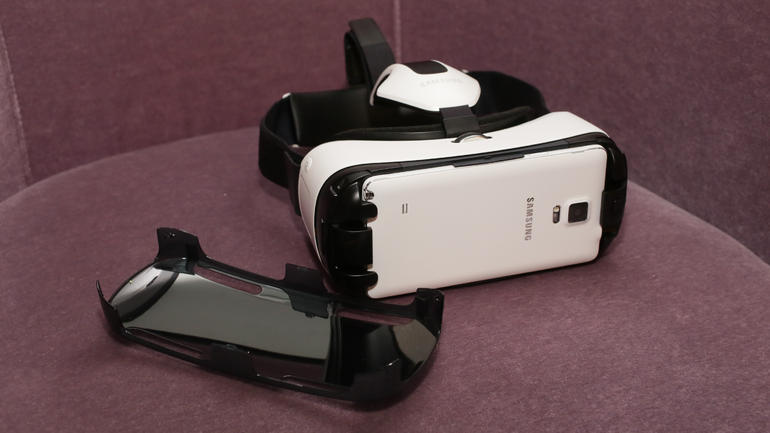
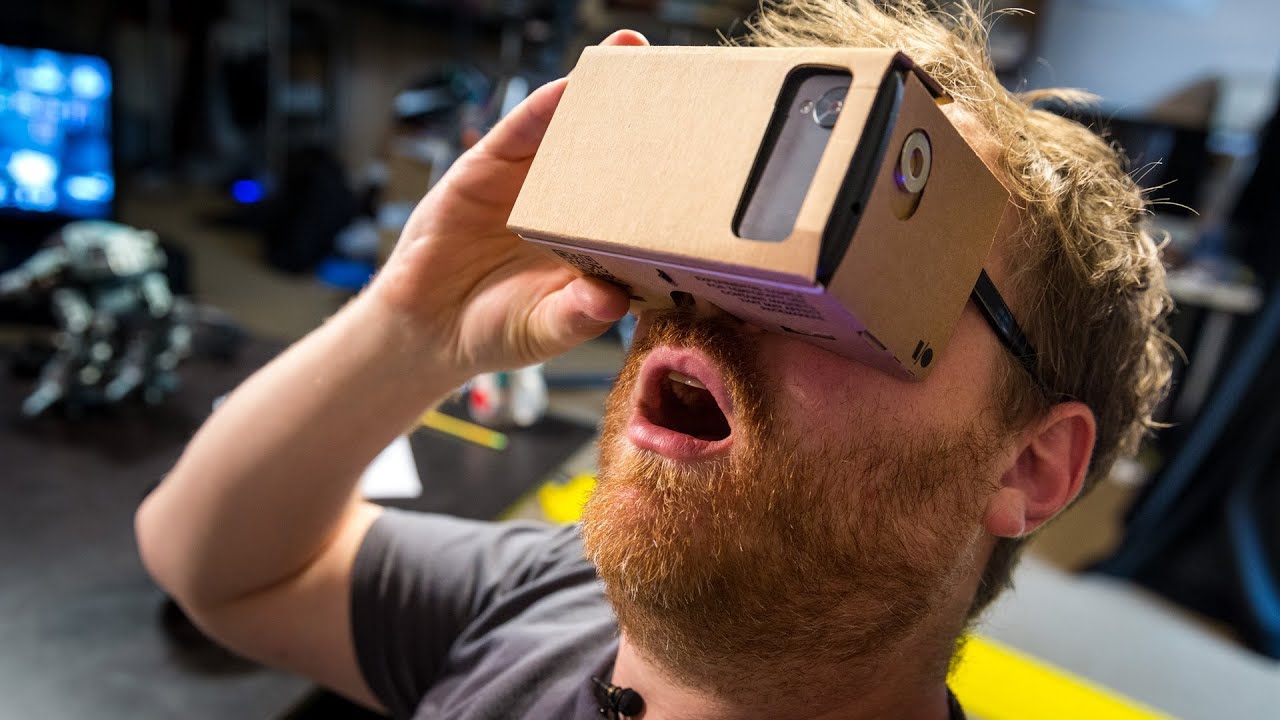
There is also Oculus VR's close relationship with Samsung, and the development and growth of the mobile VR sector (such as Samsung's Gear VR and Google's "Cardboard" initiative) which is also developing. Samsung's Gear VR plans to have its consumer launch alongside the Galaxy Note 5 phablet in, prospectively, October 2015 after this year's IFA.
Samsung Gear VR [Innovator Edition for Note 4] from December 2014
[hiddenbox]
[/hiddenbox]Samsung Gear VR [Innovator Edition for S6 / S6 Edge] from March 2015
[hiddenbox]
[/hiddenbox]Google Cardboard[hiddenbox]
[/hiddenbox]
Also, if any of my info is wrong, by all means please correct me. I've been writing this at 3AM after all! (out of interest / boredom)